

3 Reasons Why Concrete Pumping Is the Smart Choice for Large-Scale Construction
The construction industry is constantly evolving to incorporate new technologies and methods that increase efficiency and productivity. Among these advancements, concrete pumping has emerged as an essential practice, particularly for large-scale construction projects. By enabling quicker and more precise concrete placement, this technique has revolutionized how construction teams approach complex builds, making concrete pumping the smart choice for modern infrastructure needs. As project demands grow, more contractors are turning to concrete pumping to meet tight schedules and performance expectations.
1. Faster Project Timelines for Large-Scale Builds
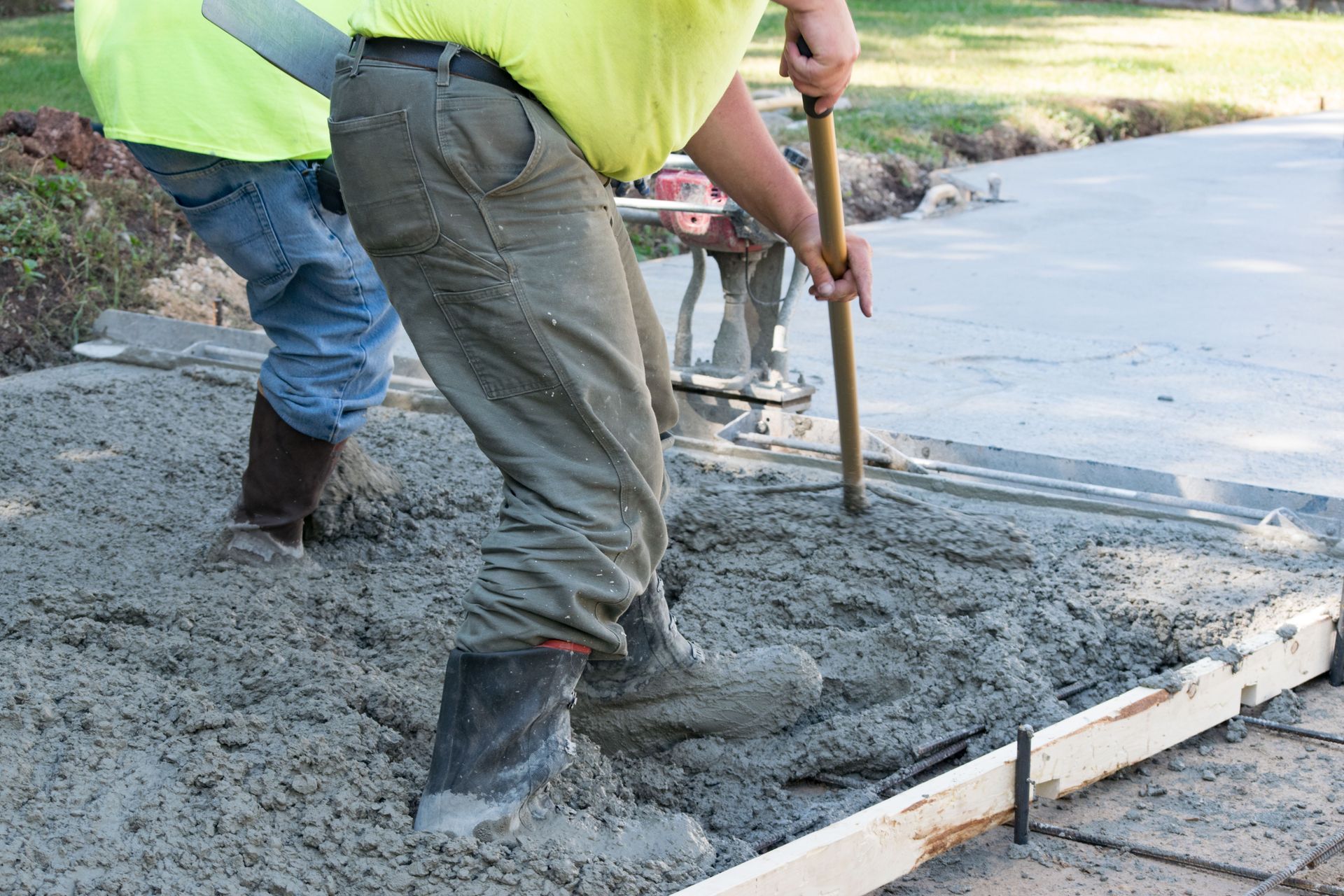
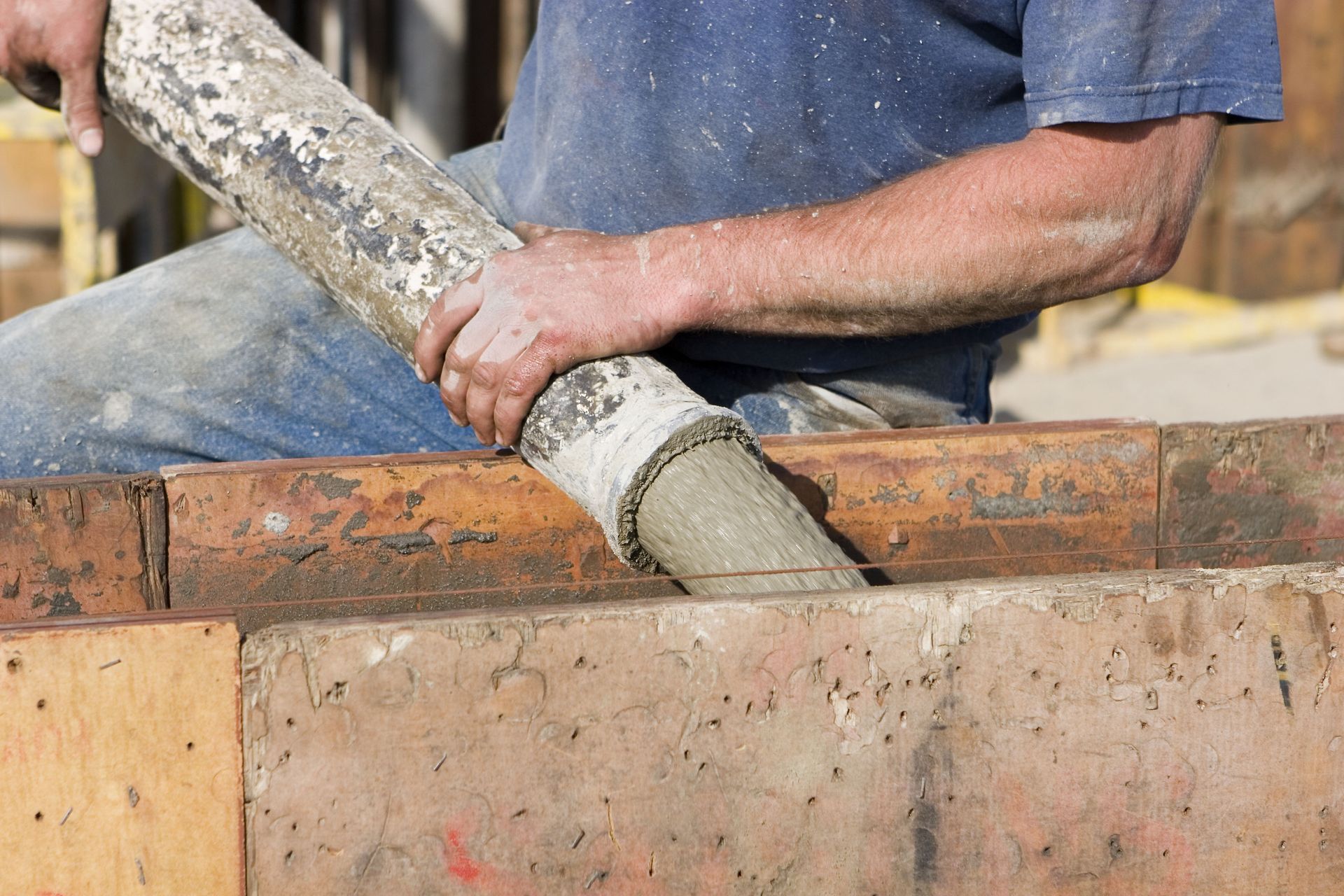
Firstly, concrete pumping significantly enhances construction project timelines. Traditional methods of concrete placement require extensive labor and time, often leading to delays. In contrast, concrete pumps can deliver large volumes of concrete to precise locations rapidly, maintaining project momentum. This capability is crucial for large-scale construction, where time is often equated with cost, and concrete pumping helps keep crews productive while reducing downtime across multiple phases of a build.
2. Improved Quality Control and Material Efficiency
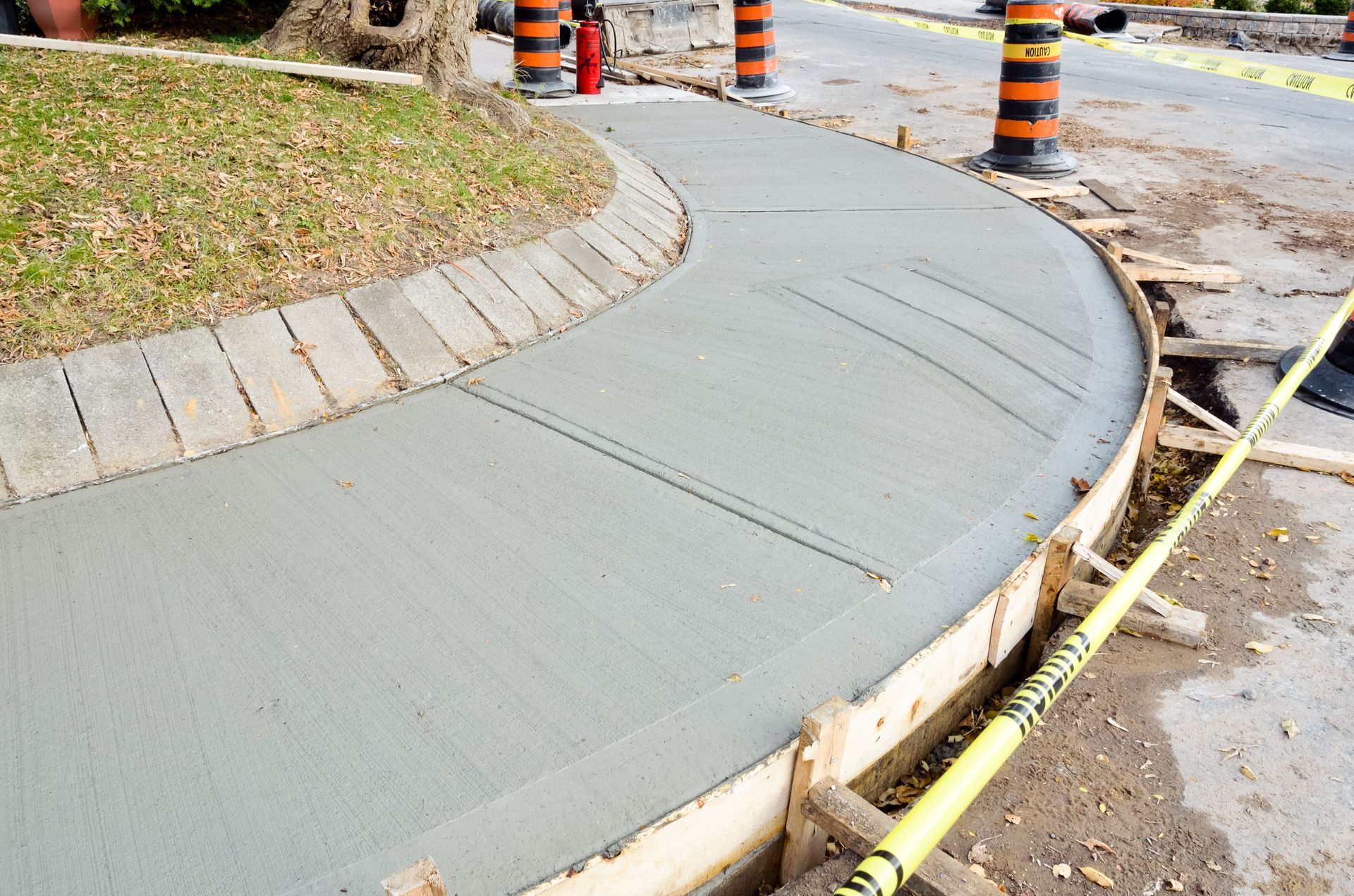
Additionally, the use of concrete pumps supports superior quality control in construction. The precision of concrete placement minimizes the risks of weak joints and uneven surfaces, reducing the need for corrective work and material wastage. When concrete pumping is used consistently throughout a project, it also contributes to cleaner job sites and more predictable material usage. Furthermore, according to Zion Market Research, the global concrete pump market is projected to grow at a compound annual growth rate of nearly 4.8% between 2024 and 2032, highlighting the increasing reliance and trust in this technology.
3. Increased Productivity in Challenging Environments
Lastly, concrete pumping is an ally to productivity in challenging construction environments. High-rise buildings and structures located in difficult terrains benefit from the extended reach and accessibility that concrete pumps provide. Concrete pumping allows crews to work efficiently in confined or elevated spaces where manual methods would prove cumbersome or even impossible. This adaptability not only streamlines workflows but also supports safer, more controlled concrete placement.
The adoption of concrete pumping for large-scale construction projects offers numerous benefits, including enhanced timelines, improved quality control, and increased productivity. As the industry continues to embrace concrete pumping and anticipates its projected growth, this method stands out as a strategic choice for meeting modern construction demands. By investing in concrete pumping solutions, stakeholders can achieve better outcomes while maintaining consistency across complex projects. Reach out to Graf Concrete Pumping today to learn more.
Share On: