October 20, 2026
Concrete installations depend on more than material strength to remain durable. Driveways, sidewalks, patios, and commercial slabs also require effective drainage to prevent water from collecting on surfaces or beneath structures. Without proper water management, concrete can develop cracks, uneven areas, and premature deterioration. Working with experienced concrete pumping companies helps ensure concrete is placed efficiently as part of a well-planned construction project.
Drainage considerations are particularly important for properties exposed to heavy rainfall, fluctuating temperatures, and frequent vehicle traffic. Water that accumulates around concrete can gradually weaken supporting materials and create conditions that accelerate surface damage. Addressing these concerns during construction helps property owners protect their investment and reduce the likelihood of expensive repairs.
Concrete Durability and Impacts of Water
Concrete is naturally porous, allowing moisture to enter through tiny openings and surface imperfections. Repeated exposure to water can contribute to deterioration, particularly in areas experiencing frequent rainfall or freezing temperatures. When trapped moisture freezes and expands, it places pressure on the concrete, increasing the likelihood of cracks.
Water can also weaken the soil and aggregate supporting a concrete installation. Saturated materials may shift or erode, leaving sections of the concrete without consistent support. This can cause settlement, uneven surfaces, and costly structural repairs. Standing water encourages algae growth, contributing to discoloration and creating slippery conditions around walkways and entrances. Effective drainage minimizes these risks while protecting the appearance and functionality of concrete surfaces. For commercial properties, these improvements can also help maintain safer access for employees, customers, and delivery vehicles.
Drainage and Long-Term Structural Strength
Proper drainage helps preserve concrete by limiting prolonged moisture exposure and protecting the surrounding soil. When water flows away from a structure, the supporting materials are less likely to become saturated or lose stability. This is particularly important for commercial properties where concrete must withstand heavy vehicles, equipment, and frequent foot traffic.
According to FORTA Corporation, properly maintained and structurally supported concrete surfaces are capable of lasting up to 100 years. Achieving this longevity depends on construction quality, structural support, environmental conditions, and effective water management. Drainage planning is therefore essential for projects intended to provide reliable performance over time.
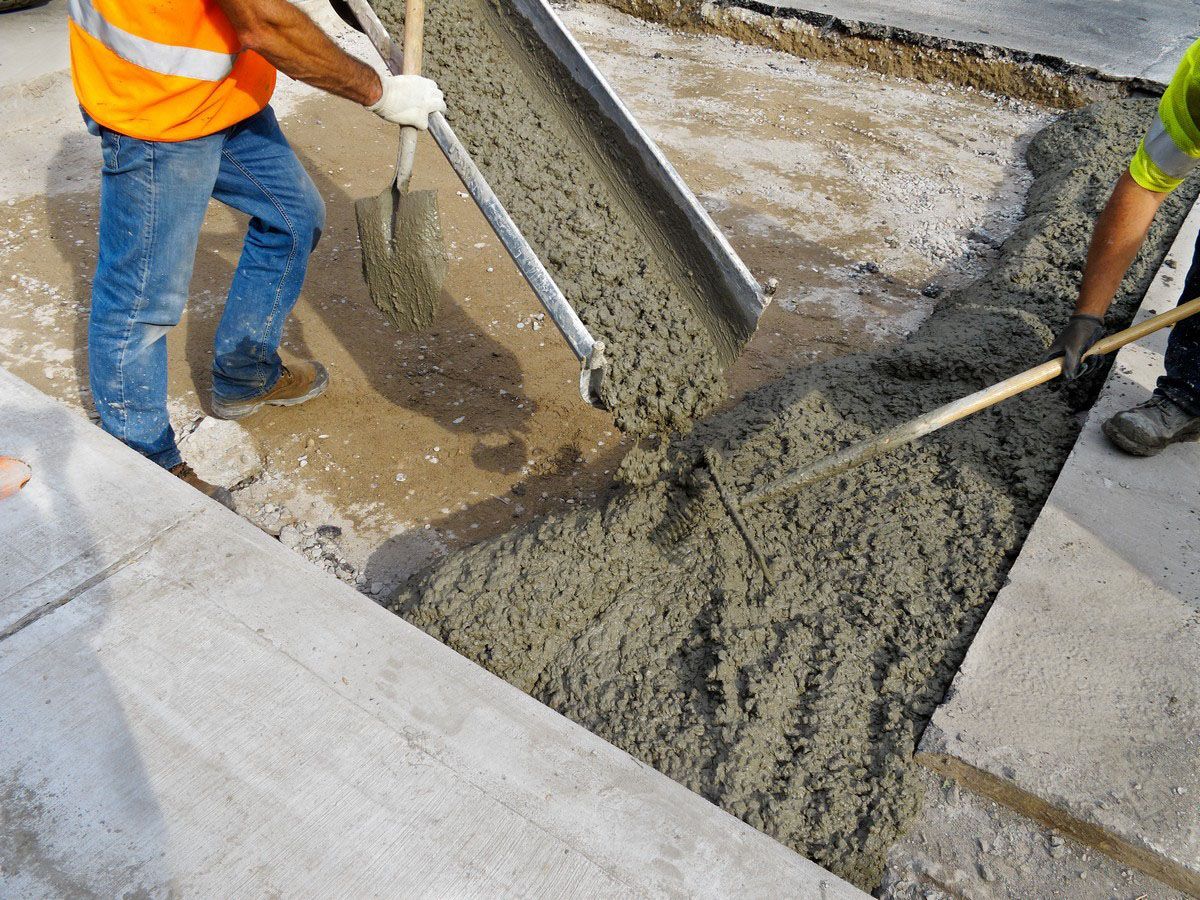
Concrete pumping companies contribute to construction efficiency by delivering concrete to the areas where it is needed. Coordinating pumping services with site preparation and drainage planning helps contractors establish a consistent foundation for the finished structure. This collaboration can reduce placement complications and support overall project quality.
Properly planned concrete placement also helps construction teams maintain an organized workflow. Pumping equipment can deliver concrete to locations that may be difficult to access with conventional methods, reducing the need to transport material across a busy site. When contractors coordinate these services with grading and drainage requirements, they can better manage the different stages of construction.
Effective Drainage Solutions for Concrete
Several drainage strategies can protect concrete installations from water-related damage. The appropriate solution depends on soil conditions, property layout, rainfall, and the intended use of the surface. Professional assessments help determine which systems can manage runoff effectively without interfering with the structure or surrounding property.
Proper grading is one of the most important considerations. Concrete surfaces should have suitable slopes that direct water toward designated drainage areas instead of allowing it to collect near buildings or pavement edges. This reduces prolonged moisture exposure and helps prevent water from entering joints and surrounding soil.
Drainage channels and trench drains collect runoff from paved areas, driveways, loading zones, and commercial entrances. French drains may also help redirect groundwater away from vulnerable locations. In suitable applications, permeable paving materials can reduce surface runoff by allowing water to pass through the surface into a properly designed drainage system.
During construction, contractors must coordinate drainage infrastructure with concrete placement. Experienced concrete pumping companies can help deliver material to hard-to-reach areas, including large foundations, elevated sections, and expansive commercial projects. Proper equipment selection and scheduling help maintain an efficient workflow while supporting placement quality.
Poor Drainage Around Concrete
Persistent puddles are a common sign of inadequate drainage. Water that remains on a surface after rainfall may indicate insufficient slope, blocked drainage infrastructure, or an unsuitable layout. Repeated pooling can increase moisture exposure and contribute to deterioration.
Cracks and deteriorating joints may also indicate drainage or support problems. Water entering these openings can reach the base materials, while temperature changes may worsen existing damage. Although cracks can develop for several reasons, evaluating drainage conditions can help identify contributing factors.
Uneven slabs and settlement are additional warning signs. Water that erodes or softens supporting materials can cause concrete sections to sink or shift, creating trip hazards and interfering with vehicle movement. White mineral deposits, known as efflorescence, can also indicate moisture moving through concrete and leaving dissolved salts behind.
Property owners should pay attention to recurring drainage problems rather than treating each occurrence as an isolated inconvenience. Persistent water accumulation near building entrances, foundations, and pavement edges may indicate a larger issue with the property's grading or drainage infrastructure. Professional evaluations can help determine the cause and identify appropriate corrective measures before damage becomes more extensive.
Financial Impact of Inadequate Drainage
Poor drainage can increase concrete maintenance expenses. Small cracks and surface deterioration may develop into more extensive problems if the underlying causes remain unresolved. Property owners may eventually face repair costs, replacement expenses, and disruptions to normal operations.
Commercial properties are particularly vulnerable when damaged loading areas, uneven walkways, and deteriorating parking surfaces interfere with deliveries or customer access. Addressing drainage requirements during construction can help reduce these risks and protect the property's functionality. Proper drainage can also support property value by preserving the appearance and condition of concrete surfaces. Preventing premature deterioration reduces the need for additional materials, equipment, and labor associated with extensive repairs. These benefits make drainage planning a worthwhile investment for long-term property maintenance.
Construction efficiency also affects the overall project budget. Delays caused by poor site access, unexpected water accumulation, or improperly coordinated placement can increase labor and equipment expenses. By involving qualified concrete pumping companies during the planning process, contractors can better coordinate material delivery, equipment positioning, and the construction schedule.
Investing in appropriate drainage and professional placement services can therefore offer benefits beyond the initial installation. A well-planned project is better equipped to withstand environmental conditions and regular use, helping property owners manage maintenance requirements over time.
Concrete Installation for Reliable Performance
Drainage should be integrated into the overall construction plan rather than addressed after concrete placement. This approach helps protect the installation from avoidable water-related damage. Concrete mixtures, reinforcement, joint placement, and curing conditions should match the project's structural requirements and environmental exposure. Combining these considerations with appropriate drainage supports long-term performance.
The construction team should also consider how the finished concrete will be used. Industrial floors, commercial foundations, loading areas, and pedestrian walkways have different requirements for strength, accessibility, and water management. Selecting suitable materials and coordinating the placement process with the project specifications helps ensure the installation meets its intended purpose.
Concrete pumping companies can be valuable partners when projects involve large concrete volumes or locations that are difficult to reach. Their equipment can support controlled delivery while helping contractors coordinate placement with other construction activities. Clear communication about access, site preparation, and scheduling helps reduce disruptions and maintain project efficiency.
Routine professional inspections can identify developing issues before they cause extensive damage. Property owners and facility managers should watch for recurring puddles, surface settlement, deteriorating joints, and water collecting near foundations. Qualified professionals can determine whether drainage improvements or structural repairs are necessary.
Durable Installations and Professional Support
Proper drainage is fundamental to durable concrete construction. By directing runoff away from vulnerable areas, protecting supporting materials, and limiting prolonged moisture exposure, effective drainage systems help reduce cracking, settlement, and premature deterioration. Combining these measures with quality materials and professional placement can support reliable performance for years.
Choosing experienced concrete pumping companies can make a difference when coordinating concrete delivery, equipment access, and placement requirements. Professional support helps contractors address project-specific challenges while maintaining an efficient construction process. Contact Graf Concrete Pumping to discuss your upcoming project and learn how services from concrete pumping companies can support your construction requirements and long-term goals.