August 13, 2026
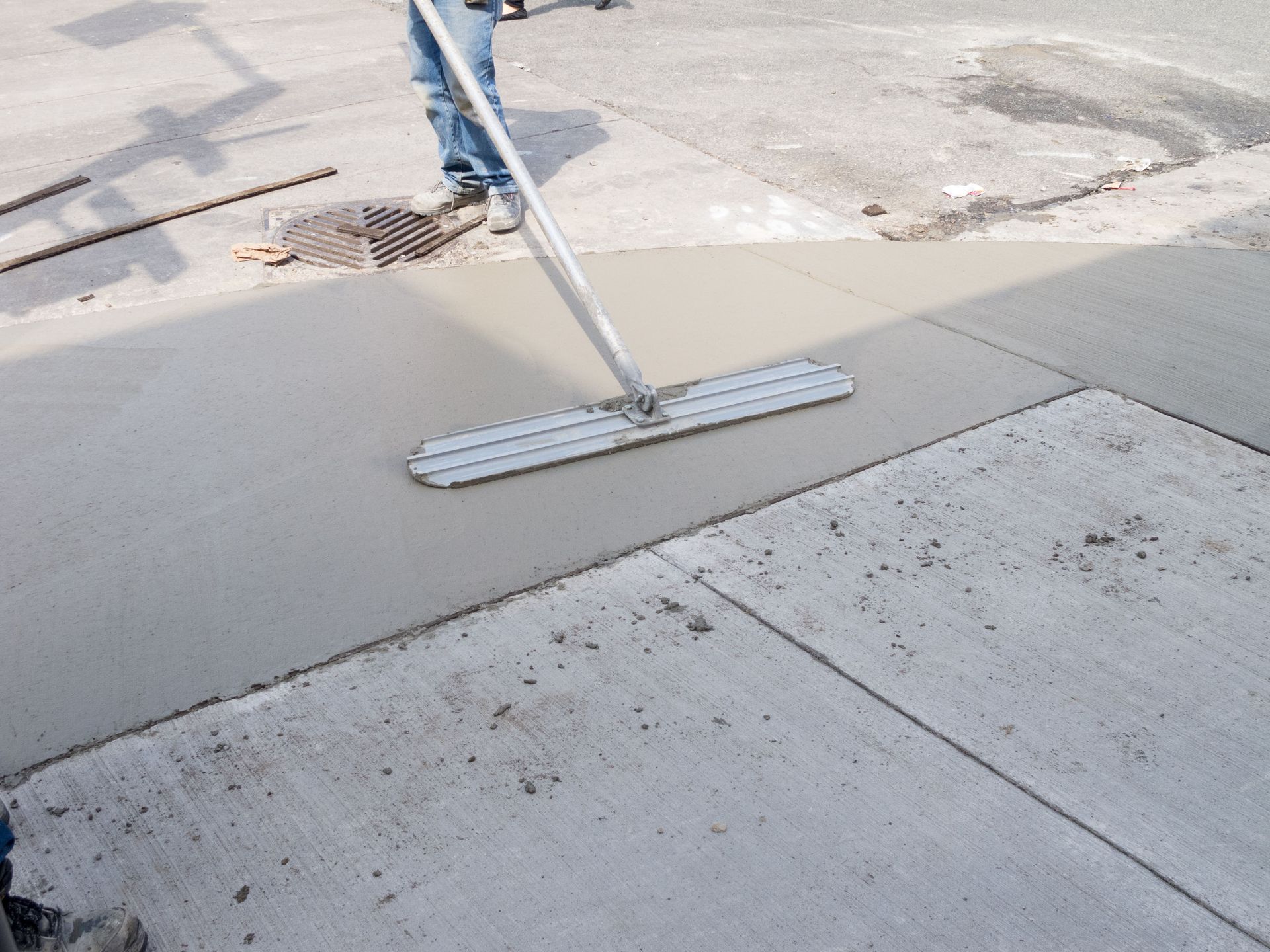
Upgrading your driveway can improve your home's appearance, functionality, and overall value. Concrete remains a popular choice for residential projects because it provides a durable surface that can support everyday vehicle traffic while creating a clean, finished look. The percentage of total concrete production for the residential market is 40%, according to the Global Cement and Concrete Association.
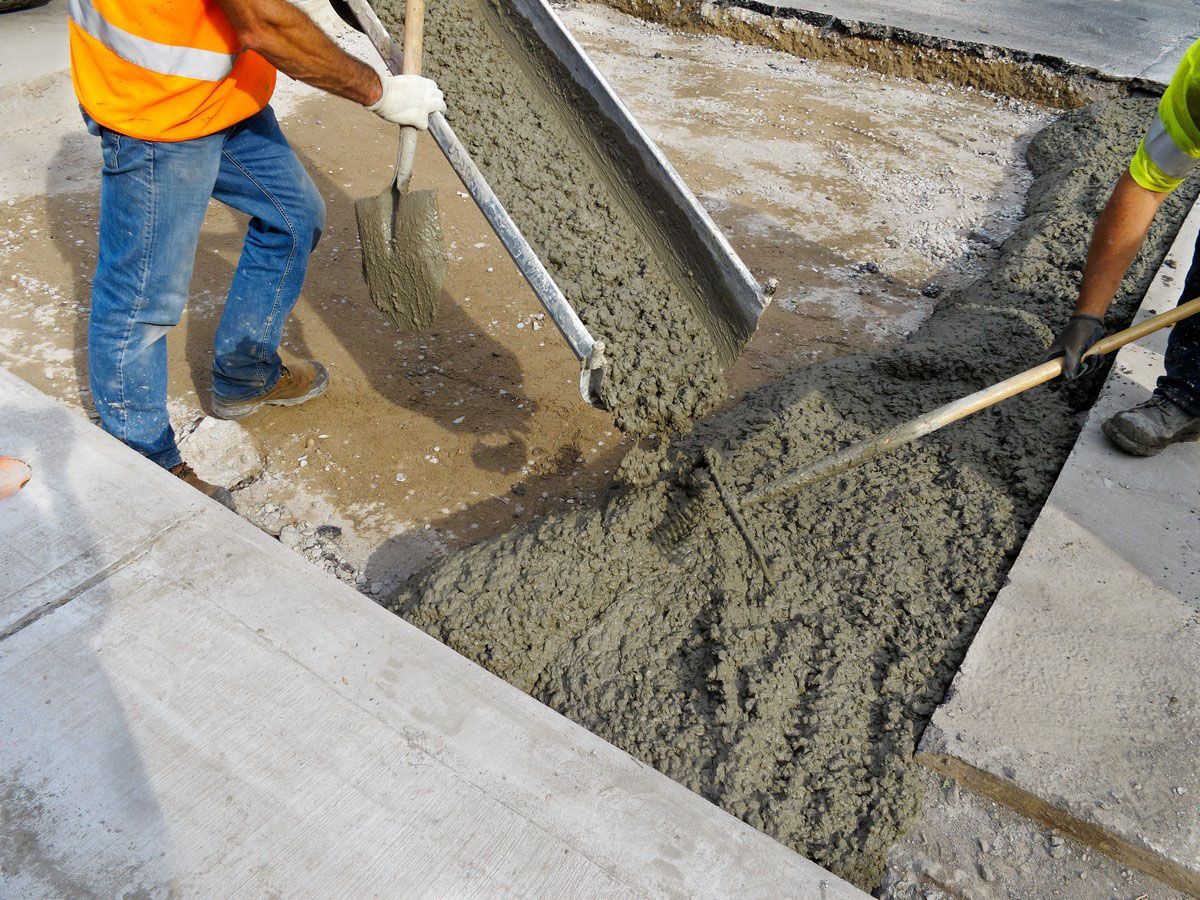
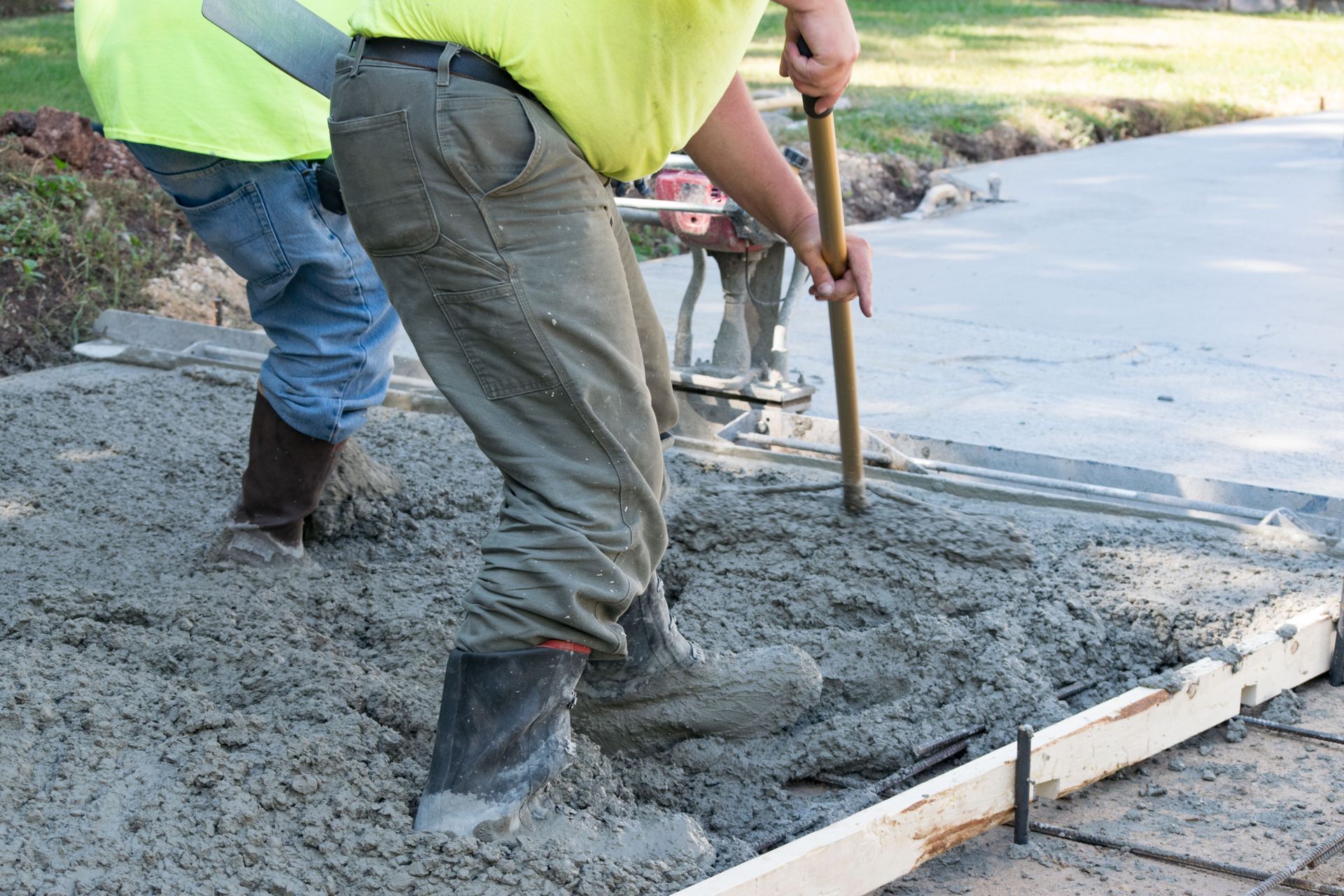
While preparing and installing a driveway involves many steps, getting concrete into the right location can be one of the biggest challenges. Limited access areas, tight spaces, elevation changes, or landscaping obstacles may make traditional concrete placement methods more difficult. Concrete pumping provides an efficient solution by helping move concrete directly to the areas where it is needed.
Strategic Concrete Pumping Plans
Before beginning a concrete driveway project, it is important to consider how concrete will reach the placement area. The layout of a property can impact the delivery process, especially when driveways, patios, foundations, or other concrete applications are located away from accessible areas. Reviewing these conditions early can help determine the most suitable approach for moving concrete into place.
Proper scheduling plays an important role in keeping a concrete project organized. Concrete pumping must be coordinated with concrete delivery and the overall project timeline to ensure materials and equipment are available when needed. Planning these details in advance can help create a smoother process.
Preparing for concrete delivery involves reviewing the project area and making sure the placement location is accessible for the required equipment. A clear understanding of the site layout helps determine how concrete can be moved from the delivery point to the final placement area. This preparation is an important part of an organized concrete pumping process.
Efficient Concrete Placement Support
Concrete pumping requires suitable access for equipment placement and operation. Before concrete placement begins, the project area should be reviewed to determine where equipment can be positioned and how concrete will reach the intended location. Proper access planning supports a smoother placement process.
One of the main benefits of concrete pumping is the ability to place concrete in areas that may be difficult to reach through conventional methods. Pumping equipment can help deliver concrete over distances, into confined spaces, and to elevated areas depending on the project requirements. This flexibility makes pumping useful for a variety of applications.
This capability makes concrete pumping useful for projects where direct access is limited. Instead of relying solely on manual movement of concrete, pumping provides a more efficient way to move material where it is needed. Residential concrete pumping services can help simplify placement for properties with challenging layouts.
Concrete placement requires coordination between the project team, concrete supplier, and pumping provider. Scheduling each part of the process helps ensure that concrete is available and equipment is prepared when placement begins. This coordination helps keep the project moving in an organized manner.
Clear communication about the project location, access limitations, and placement requirements allows everyone involved to better understand the needs of the project. Reviewing these details before the scheduled placement helps reduce potential complications. A coordinated approach supports more efficient concrete delivery.
The placement of pumping equipment is an important part of preparing for concrete delivery. Equipment positioning depends on the layout of the project area, the distance concrete needs to travel, and where the material will ultimately be placed. Reviewing these details helps determine the most effective equipment setup.
Versatile Concrete Placement Solutions
Concrete pumping relies on specialized equipment designed to move concrete from the delivery point to the intended placement area. This equipment helps support projects where concrete needs to travel across longer distances, reach elevated locations, or be placed in areas with limited accessibility. Pumping equipment provides flexibility for a wide range of applications.
Efficient concrete placement is important for keeping projects organized and ensuring concrete reaches the areas where it is needed. Concrete pumping allows operators to move concrete directly toward the placement location, reducing challenges associated with transporting concrete across difficult layouts. This can help support a smoother workflow during construction.
Accurate concrete placement is an important part of construction and improvement projects. Pumping equipment allows operators to direct concrete into specific areas while adapting to the needs of each site. This flexibility helps support projects with different placement requirements.
Whether a project involves a confined residential space or a larger construction application, concrete pumping helps provide the placement flexibility needed to reach the intended location. The process can be adjusted based on access limitations and project conditions. This makes pumping a useful option for various concrete applications.
Commercial Concrete Pumping Applications
Concrete pumping is also used for larger projects where efficient material placement is important. Commercial buildings, industrial facilities, parking structures, bridges, and infrastructure projects may require concrete to be delivered across distances or into elevated areas. Pumping equipment can provide flexibility for these types of construction applications.
For these applications, concrete pumping can help construction teams manage placement needs in locations where traditional methods may be limited. The flexibility of pumping equipment allows concrete to be delivered based on the specific requirements of the project. This can help support different project sizes and layouts.
Commercial and construction applications often involve unique access challenges that require careful planning. Reviewing placement requirements before concrete delivery helps ensure equipment can be positioned appropriately. This allows the pumping process to better support the needs of each project.
Practical Concrete Pumping Benefits
Concrete pumping offers several advantages for projects that require flexible placement options. By helping move concrete into hard-to-reach areas, pumping equipment can support more efficient workflows and reduce some of the challenges associated with difficult project layouts. This makes it a practical consideration for many residential, commercial, and construction applications.
For residential improvements, commercial developments, and construction applications, concrete pumping provides a solution for moving concrete where it needs to go. Considering access, project size, and placement requirements can help determine whether pumping services are a suitable fit. Each project can benefit from an approach that accounts for its specific conditions.
Residential concrete pumping services can help support concrete placement for applications where access limitations create additional challenges. These services provide flexibility for projects involving driveways, foundations, patios, and other residential concrete needs. Reviewing the details of the project ahead of time helps ensure the pumping process is planned effectively.
Reliable Concrete Placement Support
Selecting a concrete pumping provider involves considering the type of project, placement requirements, and accessibility of the site. A provider with experience handling different residential, commercial, and construction applications can help support projects with varying levels of complexity. Reviewing these factors helps determine the right approach for concrete delivery.
Understanding the scope of the project before scheduling service helps ensure the pumping process is aligned with the concrete placement needs. From smaller residential applications to larger construction projects, having the right equipment and approach can make a significant difference in the overall process. Proper planning helps create a more efficient experience.
When evaluating concrete pumping options, it is important to consider the location, access requirements, and type of application involved. Residential concrete pumping services can provide flexible placement solutions for projects where reaching specific areas is a priority. Taking these details into account helps ensure the service matches the needs of the project.
When concrete placement presents access challenges, professional pumping services can help simplify the process. Graf Concrete Pumping provides residential, commercial, and construction concrete pumping solutions for projects that require efficient delivery to specific locations. Learn more about how Graf Concrete Pumping can support applications ranging from driveways and foundations to larger construction projects with flexible concrete placement options.