November 20, 2026
A new patio, a pool, or a driveway can change the way you use your property, but the concrete work behind them is hard on the body and the schedule. A single pour can mean hundreds or thousands of pounds of wet material moving from a truck to a form, often across a yard, over a fence, or around the side of a house. Doing that by wheelbarrow is slow and tiring, and delays can hurt the finish. Concrete pumping solves the problem by delivering the mix exactly where it needs to go. Below, we'll explain how backyard projects get easier with the help of residential concrete pumping and what to consider before you plan your next pour.
Understanding How Concrete Pumping Works
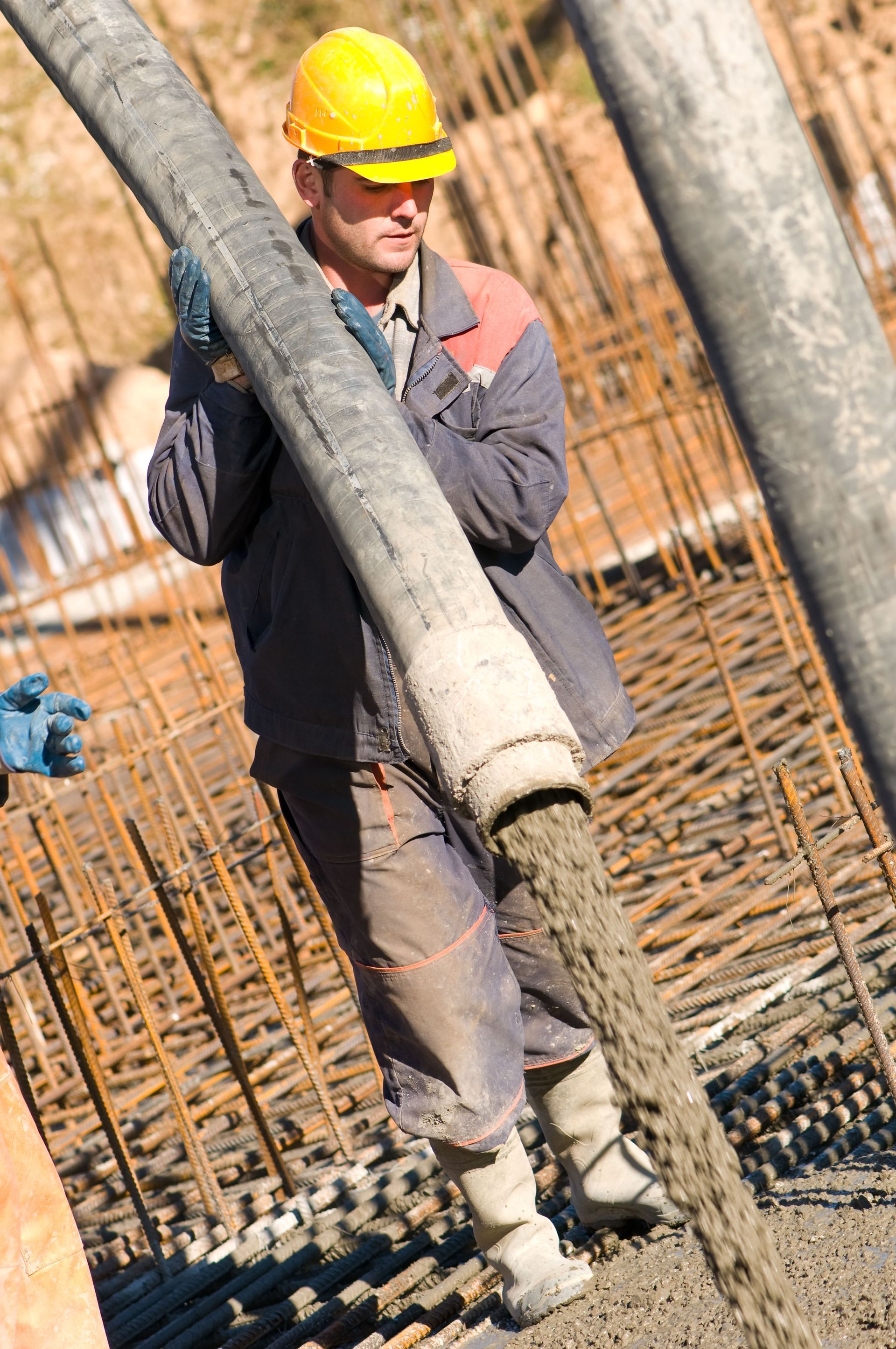
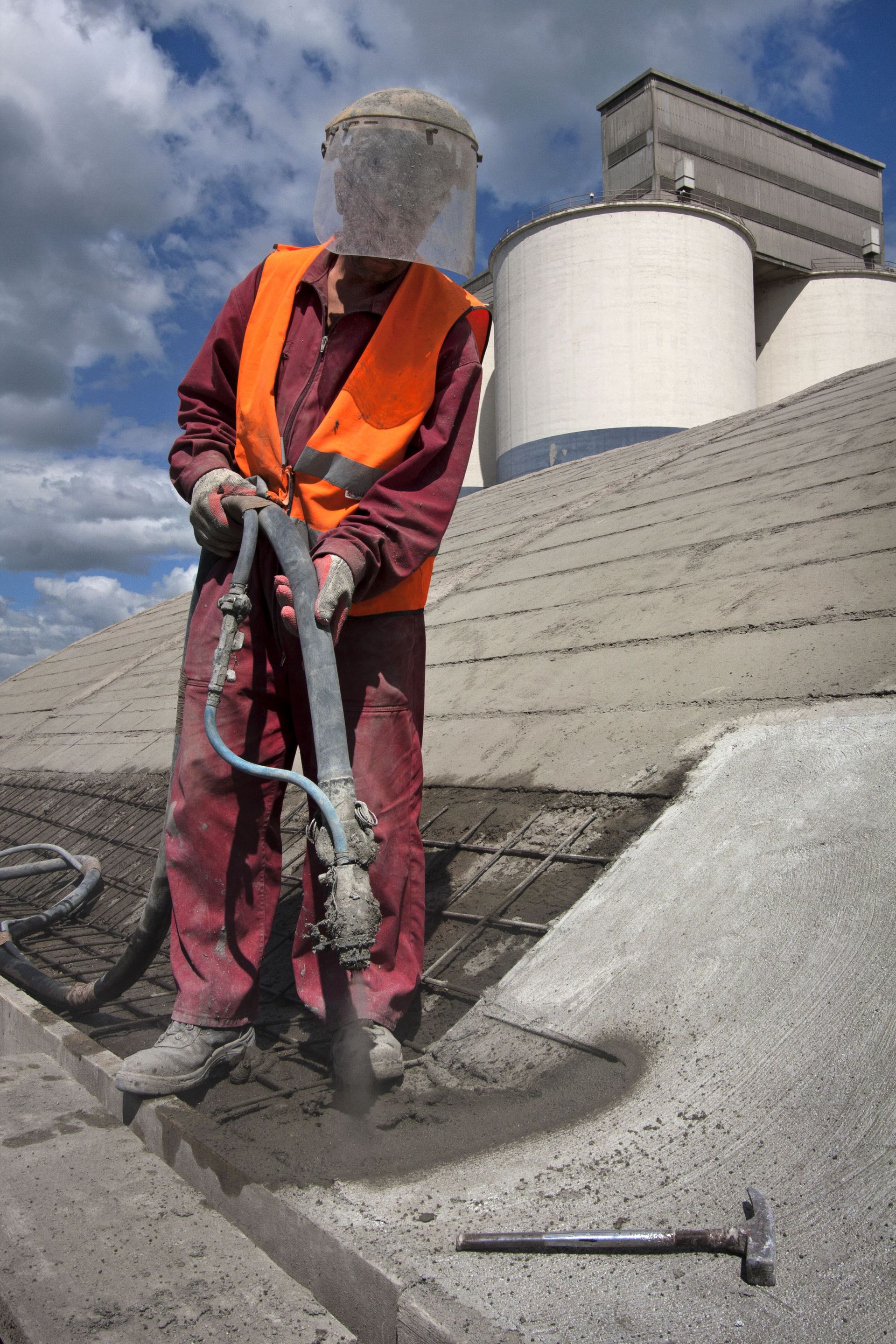
A concrete pump moves wet concrete through a boom or flexible hose from the delivery truck to the spot where it will be placed. The operator controls the flow, so the crew can fill forms steadily and finish the surface without rushing. The technology is used on projects of every size, from small slabs to large buildings. According to Zion Market Research, the global concrete pump market is expected to reach $8.67 billion by 2032. That growth reflects how widely contractors rely on pumps to save time and labor. Homeowners can benefit from the same equipment, even on projects that are modest in scale. Knowing how the process works makes it easier to talk with your contractor and plan the day.
Reaching Backyards With Limited Access
Many backyards are hard to reach with a standard truck. Narrow side yards, gates, fences, slopes, and mature trees can all block a direct path. Hauling concrete by hand across long distances is slow, and the mix can start to set before it's finished. A pump can extend over obstacles or run hose to areas that a truck can't access. Our residential concrete pumping uses boom pumps with vertical and horizontal reach and flexible hose systems, which can help with tricky layouts. A quick look at your site before the pour helps confirm the best setup.
Pouring Patios and Outdoor Living Spaces
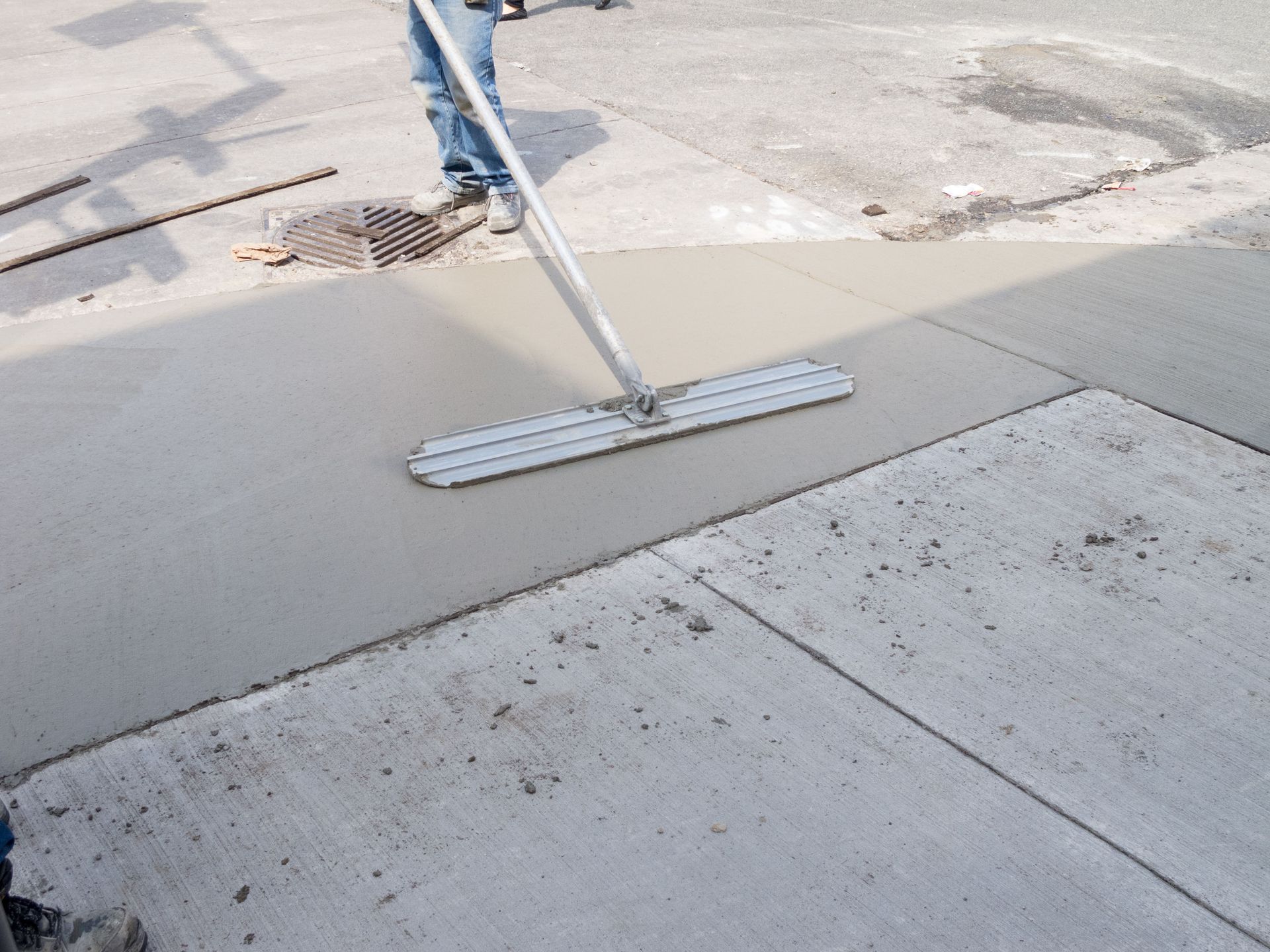
Patios are one of the most popular backyard upgrades, and they depend on a smooth, even pour. When concrete arrives steadily through a pump, the crew can place it, level it, and finish it before it starts to set. That consistency helps create a cleaner surface with fewer cold joints or rough spots. A well-planned pour is especially helpful for larger outdoor living areas where the concrete has to cover a lot of ground quickly. Weather matters too, since heat, wind, and rain can all affect how concrete cures. Residential concrete pumping gives your crew control over timing so they can respond to conditions. Starting early in the day can also help avoid the hottest hours in summer.
Placing Driveways and Slabs
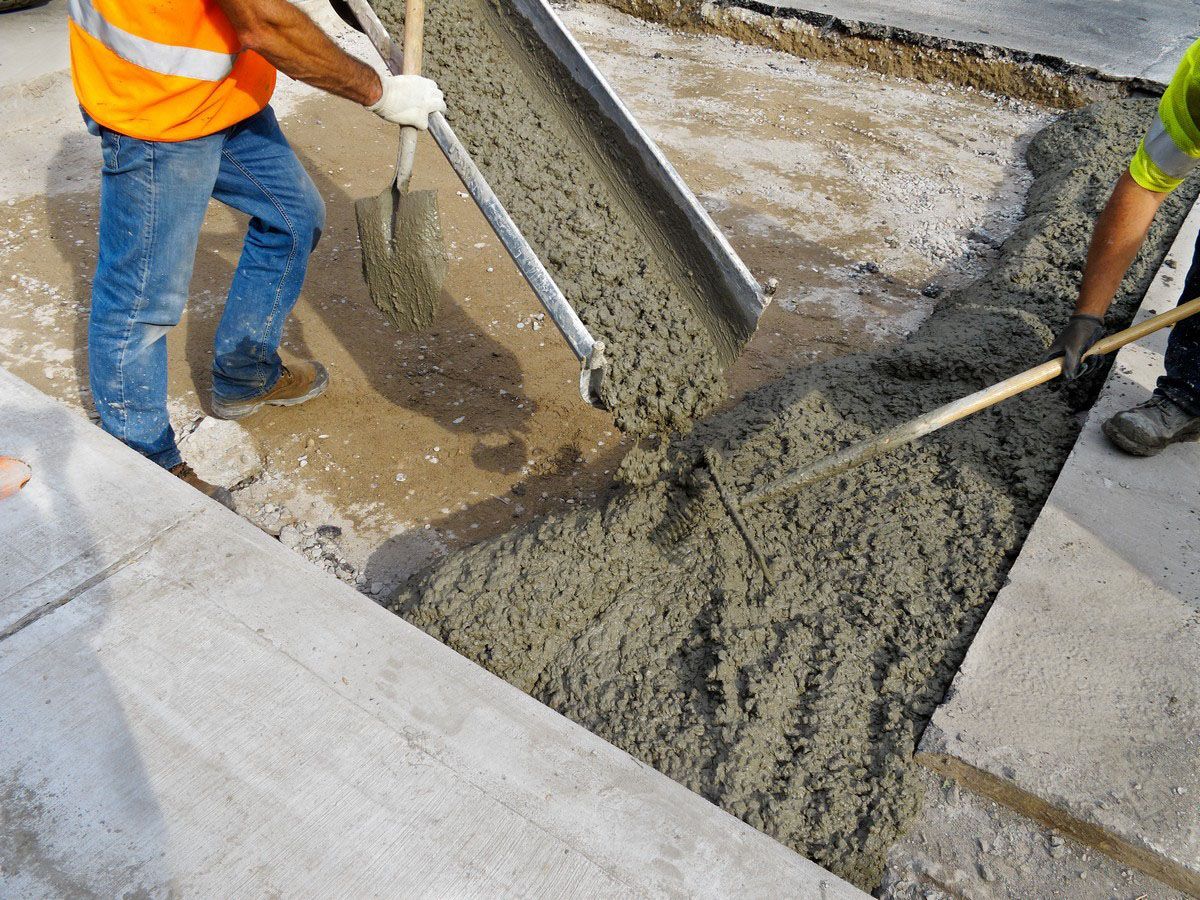
Driveways and slabs are large, flat surfaces that need to be poured in one continuous effort. If there are delays, the concrete can begin to harden before the crew finishes, which can leave visible lines or weak spots. A pump keeps material flowing at a steady pace, so the crew can work across the whole area without stopping. It also reduces the number of people needed to move concrete by hand. Preparation matters just as much as the pour, including a solid base and properly built forms. Your contractor can recommend the right approach for your site and your goals. Planning where the truck will park and how the hose will run also saves time on pour day.
Supporting Swimming Pool Projects
Pools are among the most demanding backyard projects, since they involve deep excavations and tight access. Trucks often can't get close to the dig, and carrying concrete by hand isn't practical for this kind of volume. A boom pump can reach over fences, around houses, and into the pool area to place concrete where it's needed. That helps crews keep the schedule moving and place material safely. Pool projects typically involve many steps and trades, so coordination is key. Our residential concrete pumping covers swimming pools, and we're glad to talk through access and timing with your pool contractor.
Pouring Shed Pads and Small Slabs
Not every pour is a big job. A shed pad, a small slab, or a base for outdoor equipment may only need a modest amount of concrete, but the access challenges can still be the same. Small jobs can feel like they don't justify special equipment, yet hand carrying even a few yards of concrete is hard work. Pumps come in a range of sizes, which makes it possible to match the equipment to the scale of the pour. Asking about minimums and options helps you decide what makes sense. A smaller pour done right gives your shed or equipment a stable, level foundation for years. It also makes the job easier to schedule alongside other work you have planned.
Protecting Your Yard and Property
One concern homeowners often raise is the effect on their lawn, garden beds, and driveway. Heavy trucks and wheelbarrow traffic can leave ruts and damage turf, and carrying concrete across a yard can crush plants and edging. A pump reduces how much equipment has to cross the yard, since the hose or boom does the work of moving the material. Good planning also helps, including marking sprinkler lines and walkways beforehand. Wash-out procedures are important, too, so slurry stays contained and doesn't wash onto your property. Our residential concrete pumping includes cleanup procedures designed to contain slurry.
Saving Time and Labor
Time matters when a concrete pour is underway. Wet concrete only stays workable for a limited window, and every delay adds risk. A pump moves material quickly, so a crew can finish a job in a fraction of the time it takes to move concrete by hand. That also means fewer workers carrying heavy loads and a lower chance of strain or injury. Faster placement lets crews spend more time on finishing, which is where the quality of the surface is determined. A calm, steady pour tends to produce a better result than a rushed one. For homeowners, a shorter pour day also means less disruption at home. Our residential concrete pumping is built to keep the job moving and the crew focused on the finish.
Planning Your Project and Scheduling
Good results start with planning. Measure your project, think about access, and talk with your contractor and concrete supplier about timing. Ask about the best day to pour, since the weather forecast can make a big difference. Coordinating the pump, the delivery truck, and the finishing crew helps avoid costly waiting. Permits and inspections may be required for some projects, and the rules vary by location, so check with your local office. Free on-the-spot estimates can help you understand what to expect before you commit. Our team can help you plan for the pour and coordinate scheduling around your project.
At Graf Concrete Pumping, we're a family-owned and locally operated company with 16 years of experience serving homeowners and contractors from Harmony, Pennsylvania. Our service area covers Pittsburgh and counties across western Pennsylvania and eastern Ohio, including Allegheny, Beaver, Butler, Washington, Westmoreland, Mahoning, and Trumbull. Our ACPA safety-certified team handles residential projects such as foundations, driveways, patios, and swimming pools, along with commercial and construction work. We offer free on-the-spot estimates and emergency services. Contact Graf Concrete Pumping today to request your free estimate.