November 21, 2026
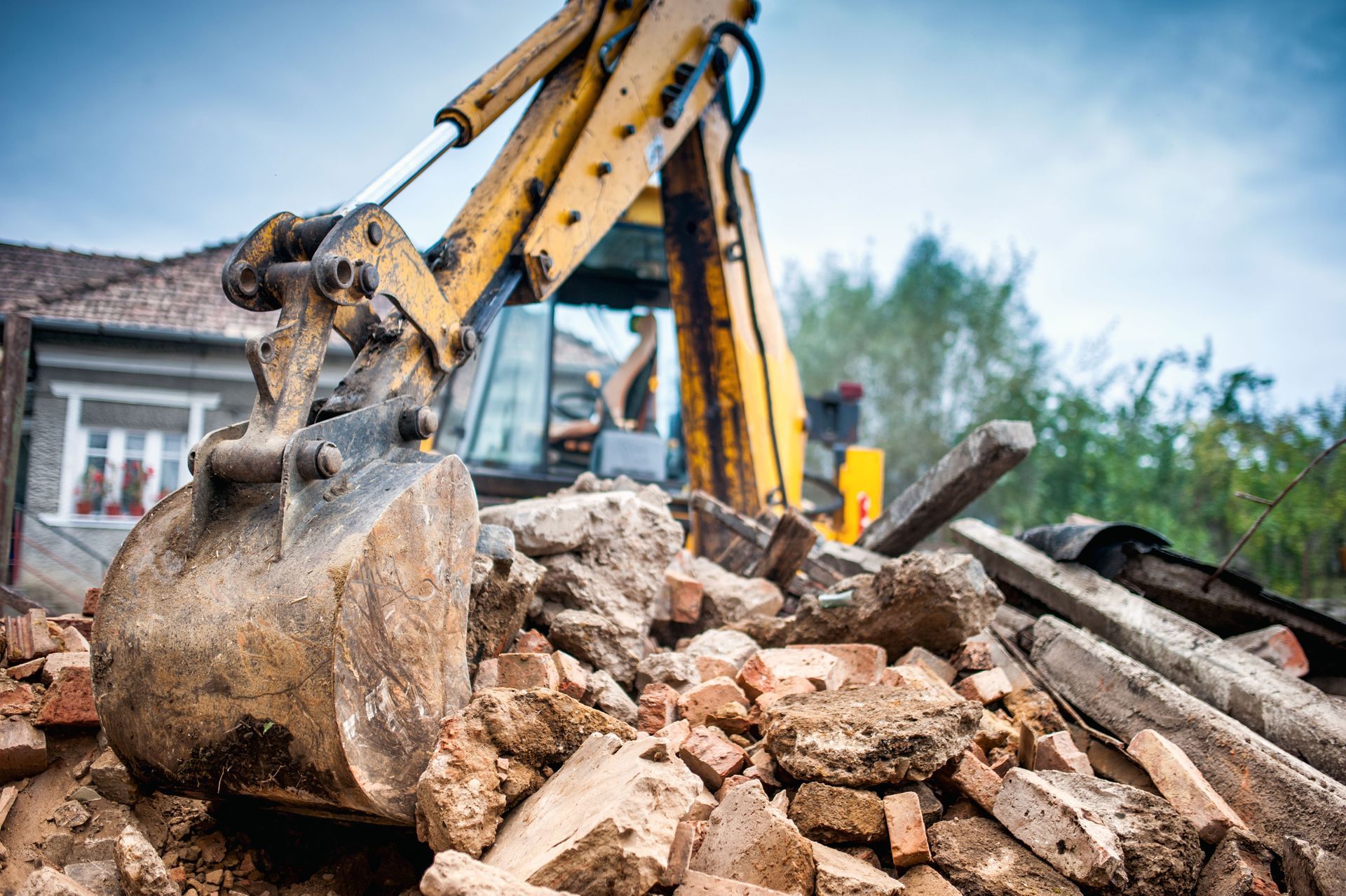
Architectural renovation and structural demolition represent fundamental phases of modern urban redevelopment, enabling old, obsolete commercial buildings to adapt into high-performing, functional facilities. Concrete remains the primary building material across structural foundations, load-bearing walls, elevated floor slabs, and exterior paving due to its extreme compressive strength and long-term durability. However, when building layouts require modification, plumbing lines demand subterranean trenching, or massive structural walls must be removed, the unyielding strength of reinforced concrete presents a formidable engineering challenge. Traditional, unguided demolition methods—such as heavy wrecking balls, uncalibrated jackhammers, or sledgehammers—inflict uncontrolled vibration, severe micro-fracturing, and excessive structural stress across adjacent load-bearing members. Relying on brute force risks compromising structural stability, generating blinding dust, creating extreme noise pollution, and causing dangerous structural collapses.
Integrating precision concrete cutting methodologies transforms complex structural modification from a chaotic hazard into a controlled, surgical engineering process. Utilizing diamond blade flat saws, diamond wire saws, wall saws, and core drilling equipment allows trade specialists to modify reinforced concrete assemblies with extreme geometric accuracy and minimal structural disturbance. Precision cutting creates clean edge terminations, preserves adjacent structural integrity, controls airborne silica dust, and streamlines material removal during commercial renovations. Understanding how precision cutting intersects with specialized material placement, recycling protocols, safety standards, and project scheduling reveals how executing precise structural modifications, integrating specialized material placement equipment, analyzing national concrete recycling metrics, maintaining strict jobsite safety protocols, streamlining material removal workflows, and partnering with experienced regional specialists combine to drive successful commercial renovations and structural updates.
Executing Precise Structural Modifications and Preserving Load-Bearing Integrity
Executing precise cuts through heavily reinforced concrete assemblies protects surrounding structural framing members while enabling exact architectural modifications. Structural renovations frequently require creating new door openings, stairwell penetrations, elevator shafts, or mechanical duct pathways through existing concrete slabs and tilt-up walls. Uncontrolled impact tools cause hidden internal micro-cracks that weaken rebar bonding and compromise overall load-bearing capacity.
Diamond-blade saw cutting cuts through thick concrete and heavy steel reinforcement bars seamlessly without sending violent shockwaves through surrounding floor slabs. Precision cutting technicians maintain exact depth control, creating straight, clean edges that require zero cosmetic patching before installing new structural framing or precast elements. Utilizing precision cutting alongside high-performance commercial concrete pumping ensures that newly created structural openings receive accurate concrete encasements and reinforced edge beams without compromising building stability.
Integrating Specialized Material Placement Equipment and Streamlining Pour Operations
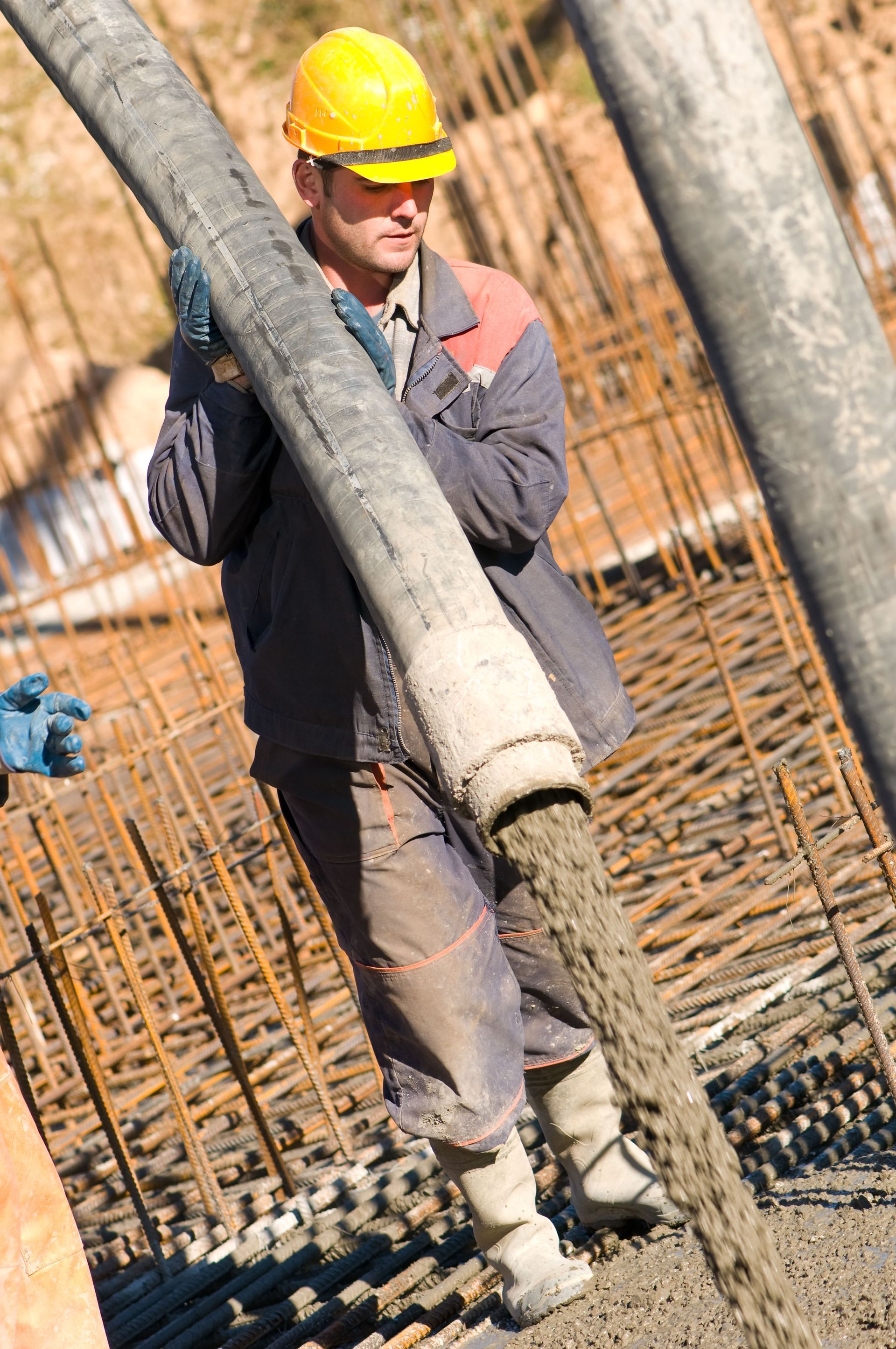
Integrating specialized material placement machinery alongside precise concrete cutting operations accelerates project timelines during complex interior renovations. Once structural cutting crews remove old slab sections to accommodate subterranean plumbing lines, electrical conduits, or new equipment foundations, fresh concrete must be placed into tight, indoor spaces. Transporting heavy wet concrete manually using wheelbarrows across active indoor construction zones causes extreme labor exhaustion, site congestion, and safety hazards.
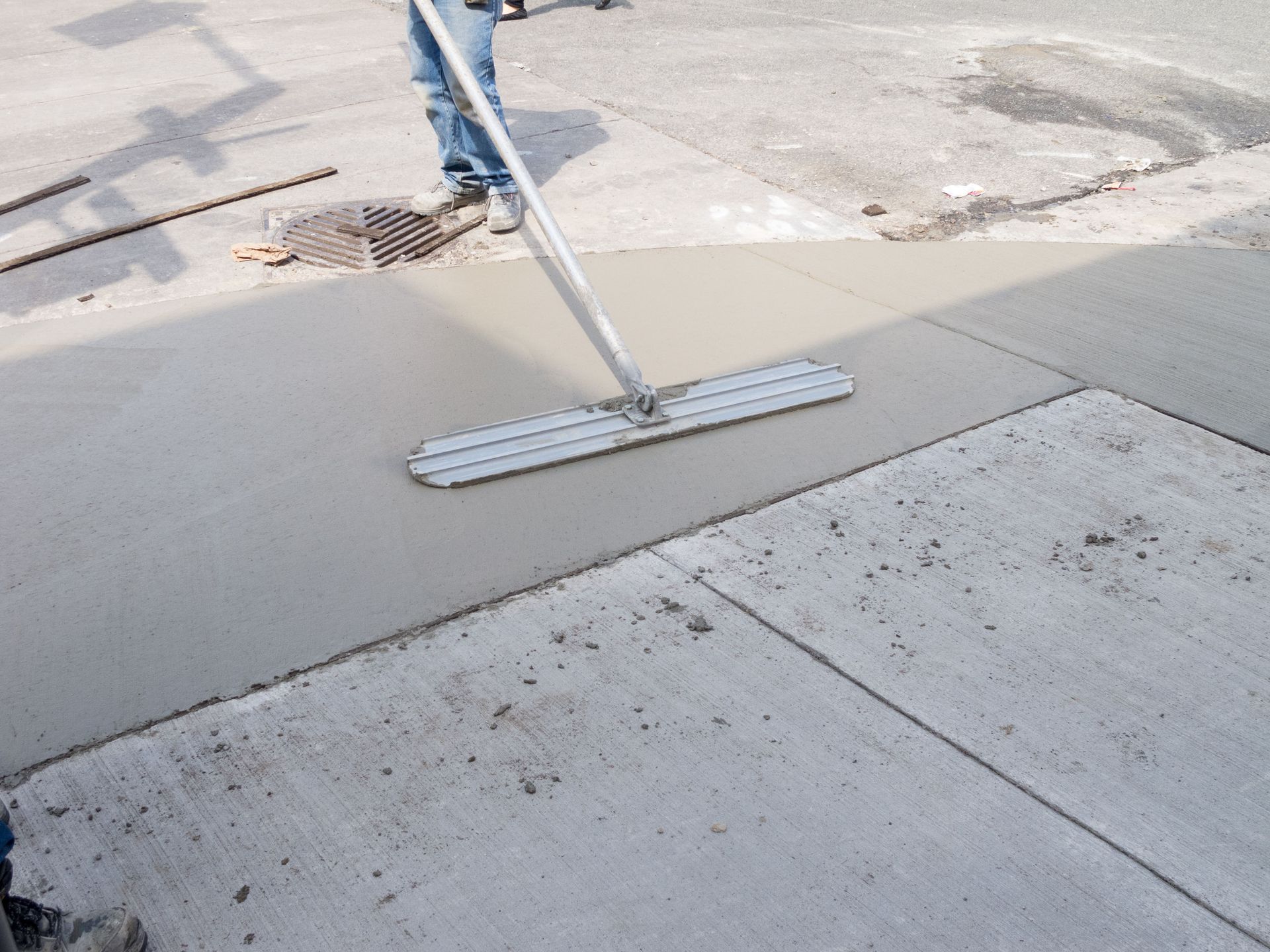
Deploying specialized boom pumps and line pumping units allows contractor teams to transport liquid concrete directly from transit mixers outside straight into interior renovation zones. Flexible placement hoses navigate narrow doorways, elevated floor levels, and confined spaces seamlessly, placing exact material volumes right where structural cuts occurred. Combining precision concrete sawing with specialized commercial concrete pumping eliminates manual labor bottlenecks, secures uniform consolidation, and accelerates overall slab restoration.
Analyzing National Recycling Metrics and Supporting Environmental Sustainability
Analyzing national concrete recycling metrics highlights the massive ecological and economic benefits achieved through controlled structural cutting and selective material salvage. Modern demolition strategies have shifted away from destructive total-building knockdowns toward sustainable, selective dismantling. Precision concrete cutting allows contractors to section massive slabs and tilt-up panels into manageable, clean blocks that are easily transported to crushing facilities for secondary aggregate production.
National recycling data underscores the immense volume of concrete recovered and repurposed across major construction sectors every single year. According to Sripath, in the United States alone, 100 million tons of concrete are reused annually, significantly reducing demand for virgin materials. Sourcing precise cutting services and utilizing high-volume commercial concrete pumping for recycled aggregate pours helps contractors meet strict environmental sustainability standards, earn green building certifications, and minimize landfill waste.
Maintaining Strict Jobsite Safety Protocols and Controlling Silica Exposure
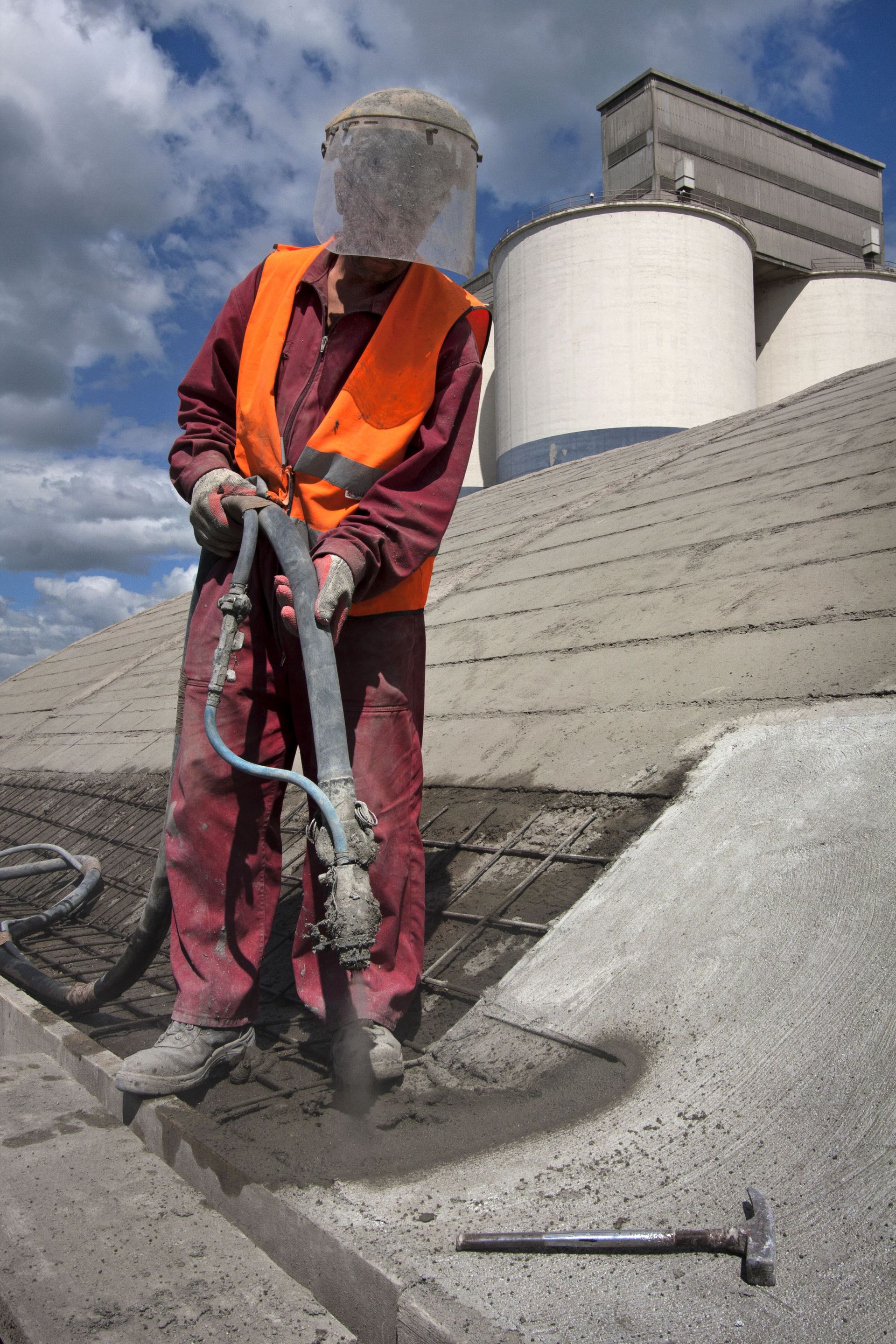
Maintaining strict jobsite safety standards and controlling hazardous airborne silica dust protects trade workers and surrounding community members during structural cutting operations. Dry concrete cutting releases massive clouds of fine crystalline silica dust, which poses severe respiratory health risks when inhaled over extended periods. Furthermore, heavy concrete sawing involves high-speed rotating blades, intense friction heat, and massive material weights that demand rigorous safety procedures.
Professional cutting specialists employ continuous wet-sawing techniques, applying constant water streams to cooling diamond blades to eliminate airborne dust at the point of contact. They utilize industrial slurry vacuum systems to capture dirty wash water instantly, keeping floor surfaces dry and preventing hazardous runoff. Coordinating safe material handling alongside certified commercial concrete pumping providers ensures that structural alteration zones remain clean, dust-free, and fully compliant with national occupational health and safety regulations.
Streamlining Material Removal Workflows and Accelerating Project Timelines
Streamlining material removal procedures through systematic saw cutting accelerates project timelines and optimizes trade labor efficiency across busy renovation sites. When demolishing large concrete structures, attempting to break slabs into random, jagged chunks creates chaotic debris piles that are difficult to load, transport, and dispose of cleanly. Random debris clogs access corridors and creates severe trip hazards for adjacent trade workers.
Precision concrete cutting teams score and section thick slabs into uniform, rectangular concrete blocks designed to match the exact lifting capacity of site cranes or forklift attachments. Rigging and lifting clean, pre-cut concrete blocks straight onto transport flatbeds eliminates noise, speeds up debris removal, and leaves clean, level workspaces ready for immediate trade access. Coupling clean debris removal with prompt commercial concrete pumping for replacement slab pours keeps multi-phase renovation projects moving forward according to strict master schedules.
Recognizing the vital role that precision concrete cutting plays in modern renovation and structural demolition represents an essential step toward achieving safe, efficient, and cost-effective building updates. Relying on crude, high-impact demolition methods risks causing catastrophic structural micro-fracturing, generating hazardous silica dust, creating excessive noise pollution, and triggering expensive structural repairs. By integrating diamond-blade flat sawing, wall cutting, core drilling, and wet dust-suppression techniques, trade specialists execute surgical structural modifications that preserve adjacent structural integrity.
At Graf Concrete Pumping, we are deeply committed to supporting your commercial renovation and demolition projects, optimizing your structural material placement, and delivering superior concrete solutions through master trade craftsmanship, state-of-the-art placement equipment, and dedicated customer care. Our team of certified concrete specialists brings deep structural engineering knowledge, high-volume boom pumping, specialized line pumping, slab placement, foundation pour coordination, and meticulous attention to detail to every commercial remodeling project, industrial slab restoration, multi-story building update, structural modification support, and professional commercial concrete pumping service we execute across our community. We take immense pride in evaluating your jobsite's unique structural access challenges, analyzing volume requirements, guiding you through hand-selected material placement strategies, and serving as your trusted trade partner to bring total project efficiency, structural safety, and enhanced value to your enterprise. Furthermore, our business prioritizes clear communication, transparent written estimates, clean jobsite management, and exceptional service performance from initial structural evaluation through final pour walkthrough. We carefully inspect every pump line connection, placement hose, slab edge preparation, and safety barrier to guarantee maximum operational efficiency, code compliance, and complete client satisfaction. Contact us today to schedule your comprehensive project consultation and discover the true value of working with dedicated local concrete specialists.